
Custom interactive installations, from idea to hardware
Sometimes the best way to tell a message is to put it in people's hands. We design and build real objects that drive digital content, a racket, a helm, a microscope, a button: we draw them, 3D-print them, wire them to sensors and write the software that makes them talk to the screen.
What we do
Custom controllers
A real tennis racket with wireless sensors that transmit orientation and acceleration, a helm and a winch connected to a sailing simulator, big backlit buttons with piezoelectric sensors: objects that become the controls of a game.
Objects that open content
A 3D-printed microscope with an RFID reader and a small screen inside: every slide placed on the stage starts its own video, watched through the eyepiece. 3D-printed objects that open a clinical case when placed on a touch table.
RFID cards and journeys
Personal cards that visitors tap on the readers at each station: the system recognises them, starts the activity and lights up their journey stop after stop.
Light and matter
LED strips in time with the game, light structures that react to the vote and, among the Lab's concepts, a switchable-glass case that clears with every interaction until it reveals a model lit with optical fibre.
Electronics and software together
Arduino reads the sensors and drives the lights, the software in Unreal Engine or on the web runs the game and the data. Whoever designs the object sits next to whoever writes the code, so an idea is born feasible.
Where it works
Installations are made for congress and trade-fair booths, where an unusual object is visible from afar and invites people to try. They are built to last: an installation made for an international congress can return at other events, and controllers travel with the booth on European roadshows. At medical congresses they turn a scientific concept into a gesture, hitting a risk factor with a racket or looking into a microscope, without losing the rigour of the content.
Related work
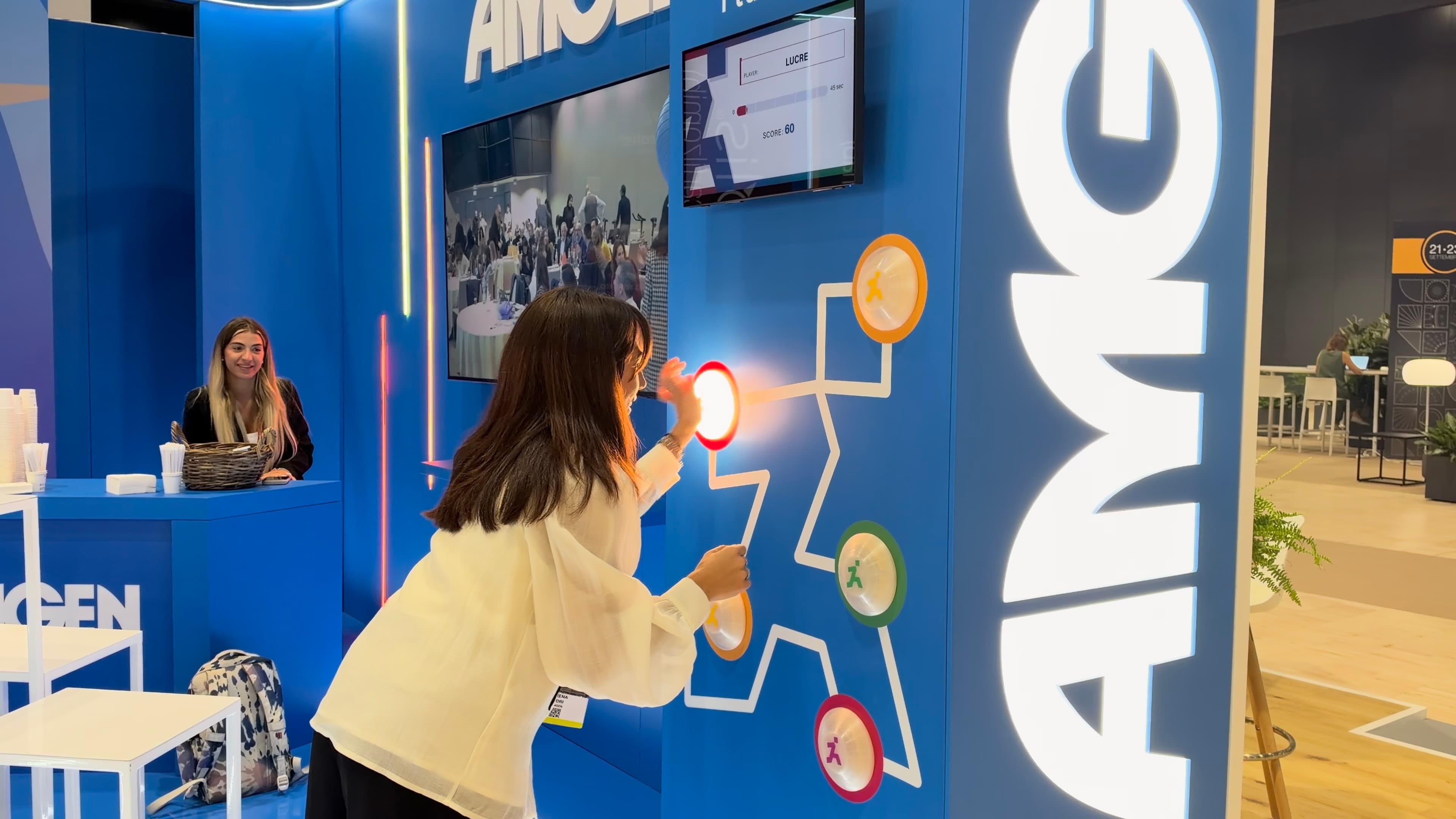
Be Active: faster than light
Amgen
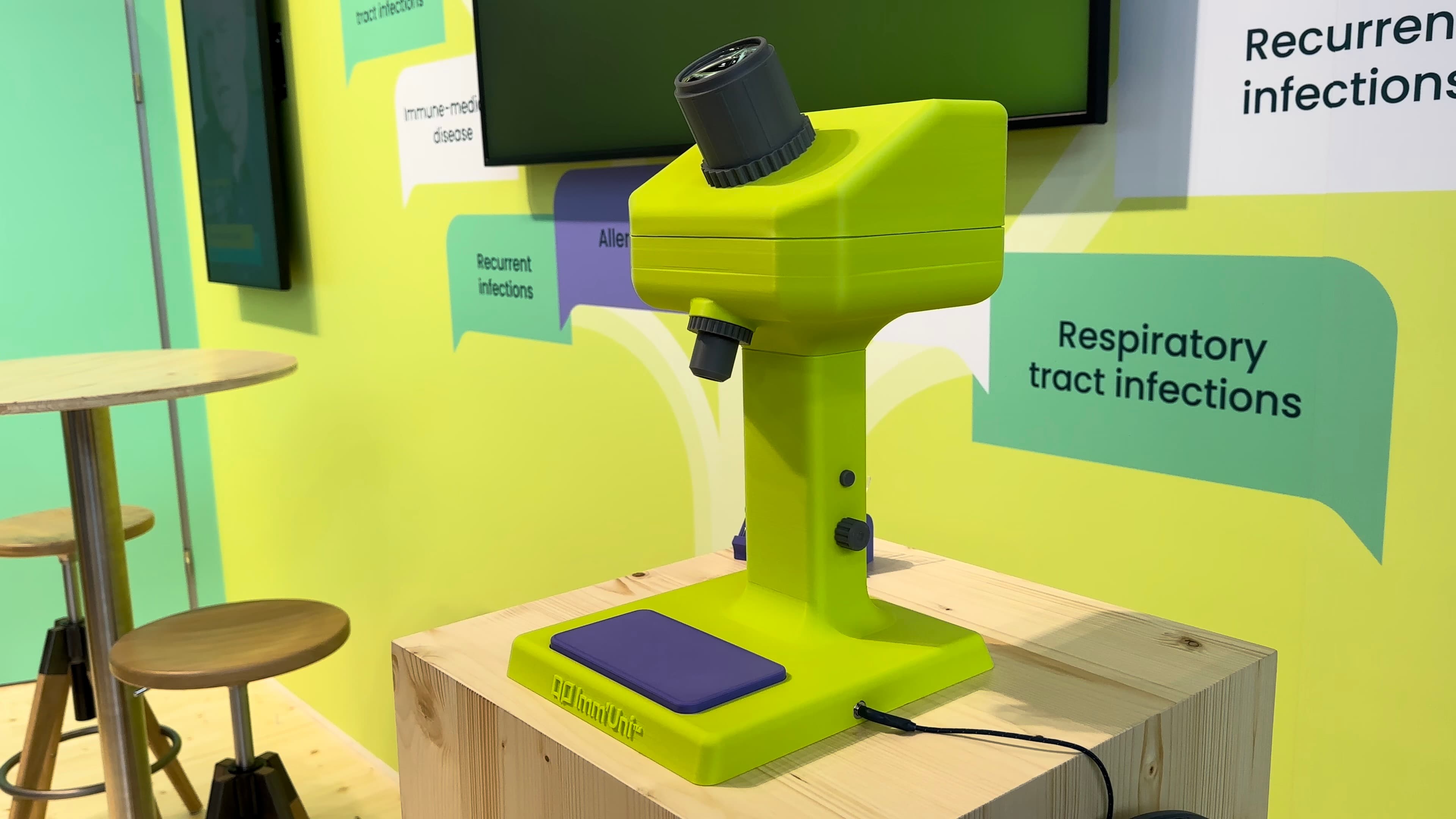
The microscope that unlocks content
OM Pharma
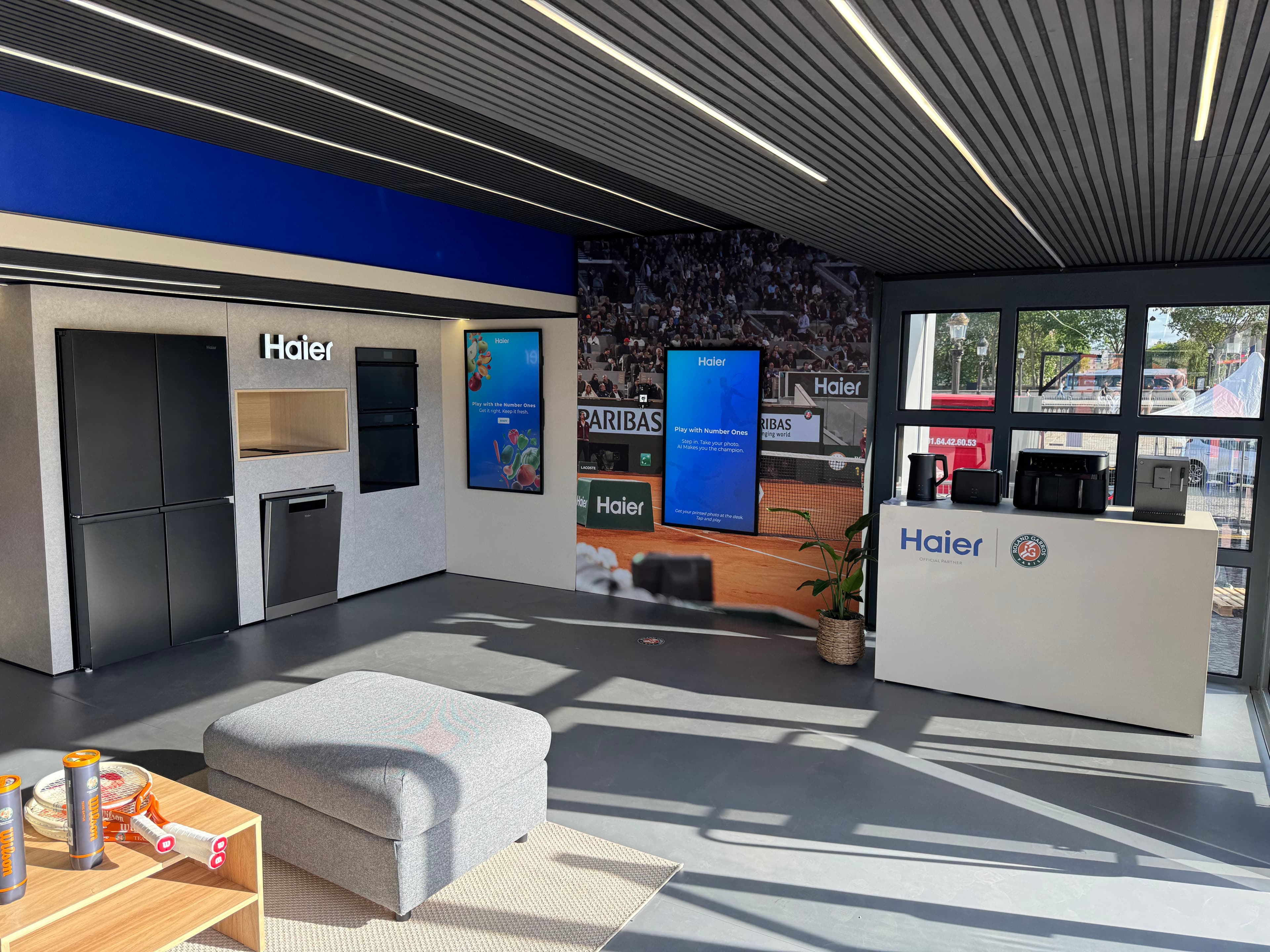
The truck tour you can play
Haier
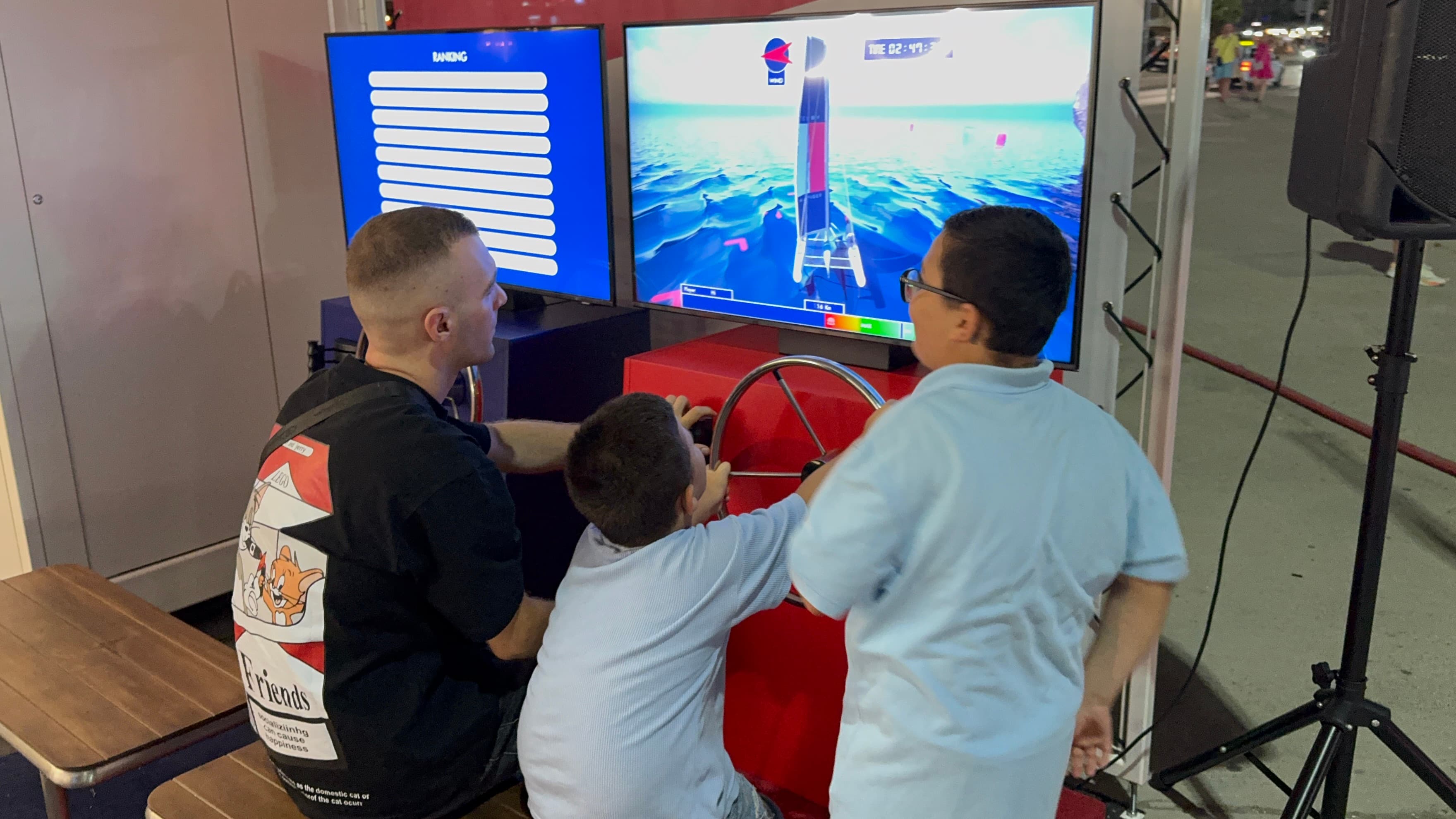
A multiplayer regatta, with a real helm
Tommy Hilfiger
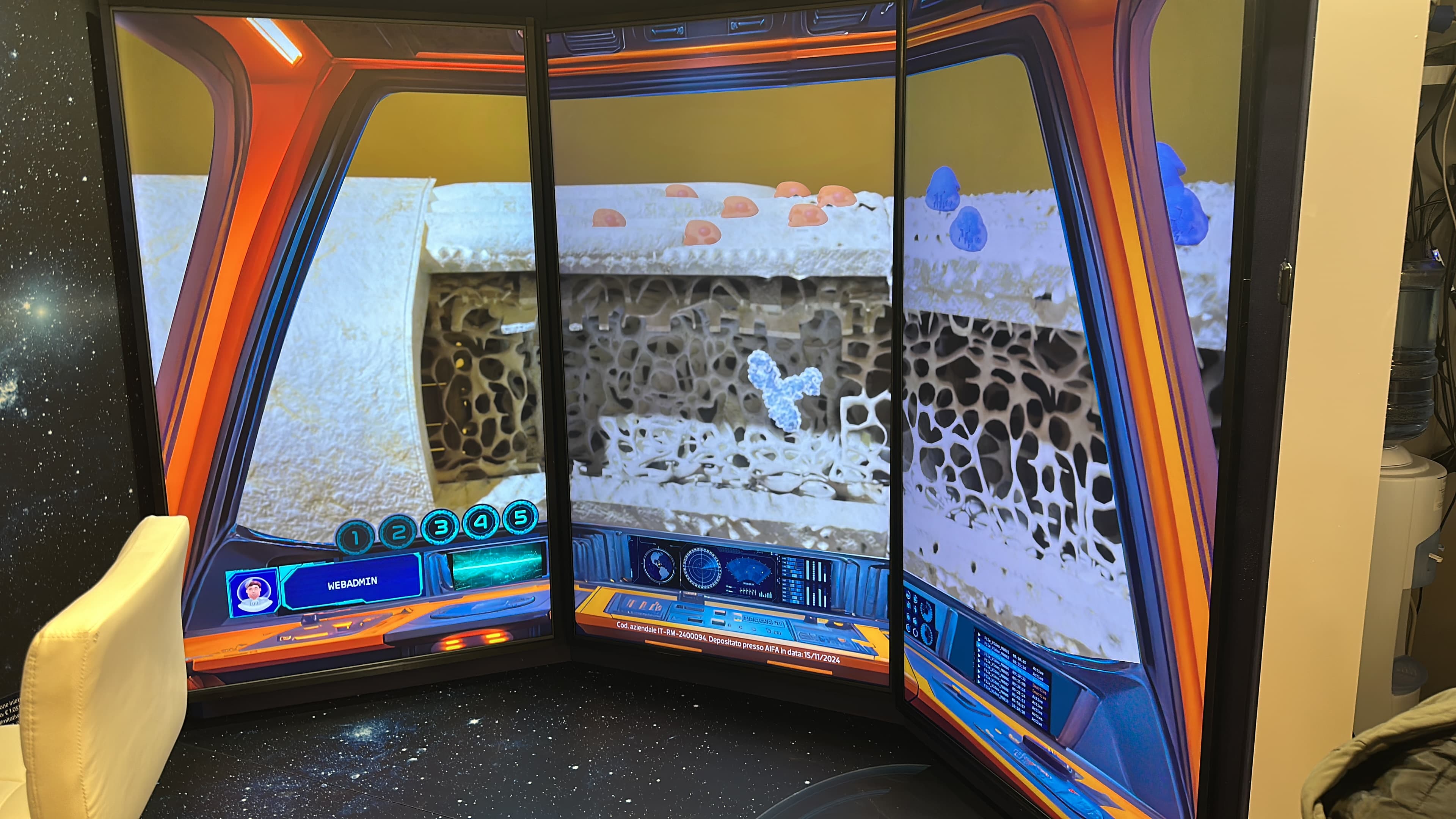
A mission in space, stage by stage
UCB
Frequently asked questions
How long does it take to build an installation?
It depends on the event date and the complexity of the object: design, 3D printing, electronics and software move in parallel. We set the timing with the agency, starting from the event date.
Is custom hardware included?
Yes: what we build for the project, such as Arduino controllers, 3D-printed objects, buttons and structures, is included in the offer. Screens, computers and touch tables can be rented.
What drives the cost?
The complexity of the object and its electronics, the number of pieces to produce, the connected software, installation and days of support.
Can the installation be reused?
Often, yes: installations are dismantled, shipped and reassembled at other events, and the software is updated with new content.
Do you work with the stand builder?
Yes: we coordinate with the stand builder on dimensions, power and network, and when needed we install and test at their premises before the event.
Other services
Games for booths and events
Branded video games in Unreal Engine or for the web: arcade classics rewritten around the message, multiplayer challenges, reaction games with physical buttons, live leaderboards and lead capture.
LED floors, touch tables and screens
Walkable LED floors, touch tables that recognise 3D objects, kiosks, LED walls and multi-screen immersive spaces, with the software that makes them work.
Live quizzes and voting
Quiz shows, live voting and moderated audience questions on our own 4meet.in platform, with results on the big screen or on light installations.
Got a project for a client?
Tell us the brief, timings and budget. We'll come back with an idea and a concrete technical proposal, ready to present to your client.